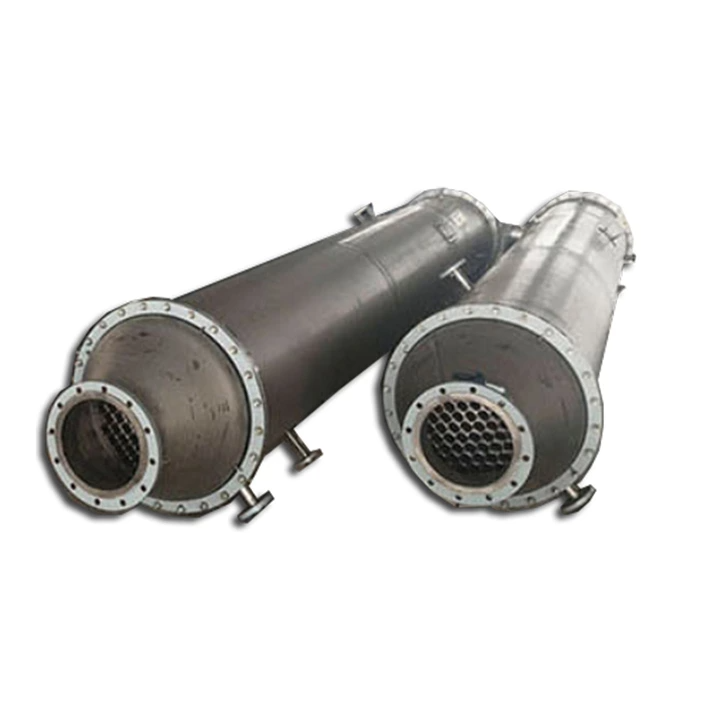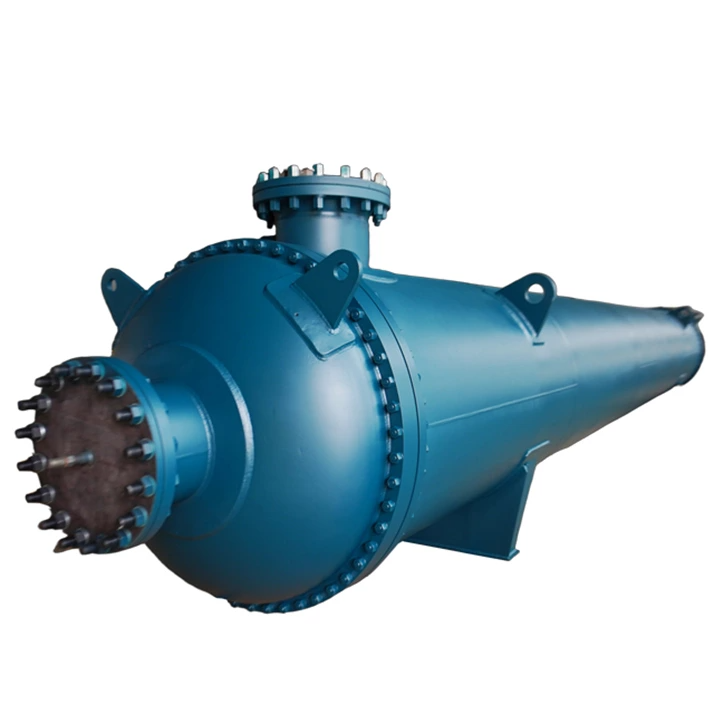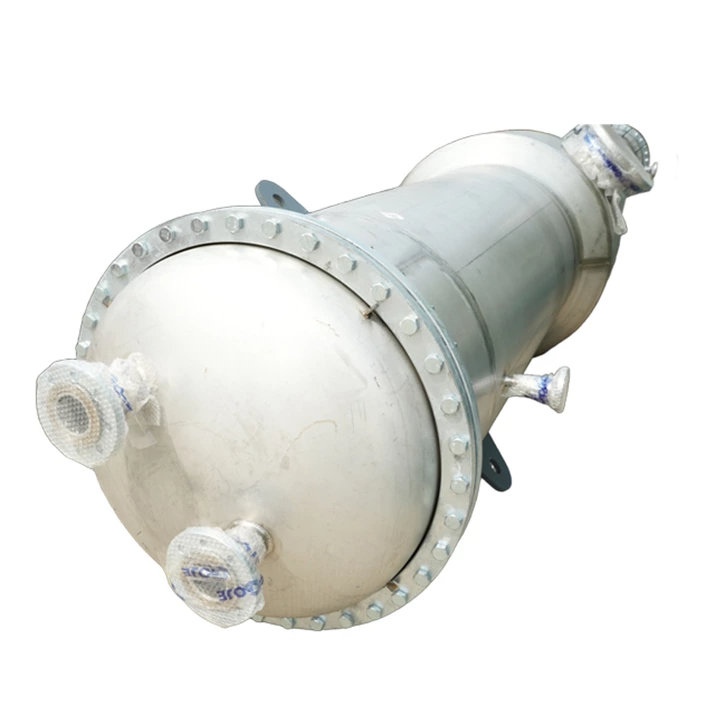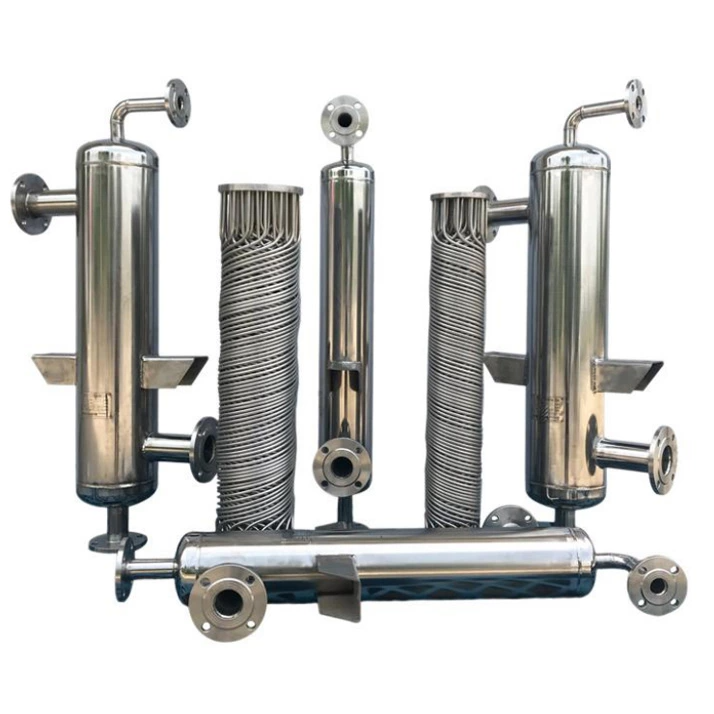
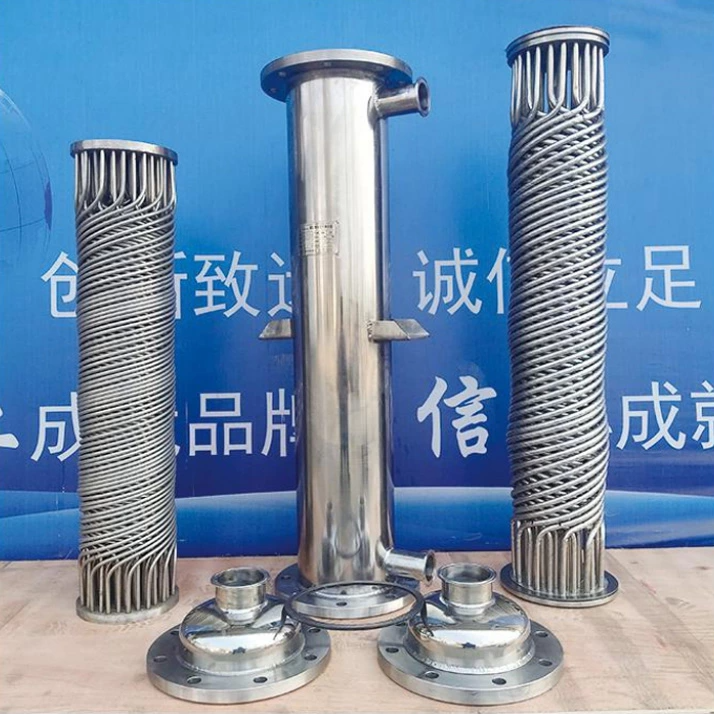
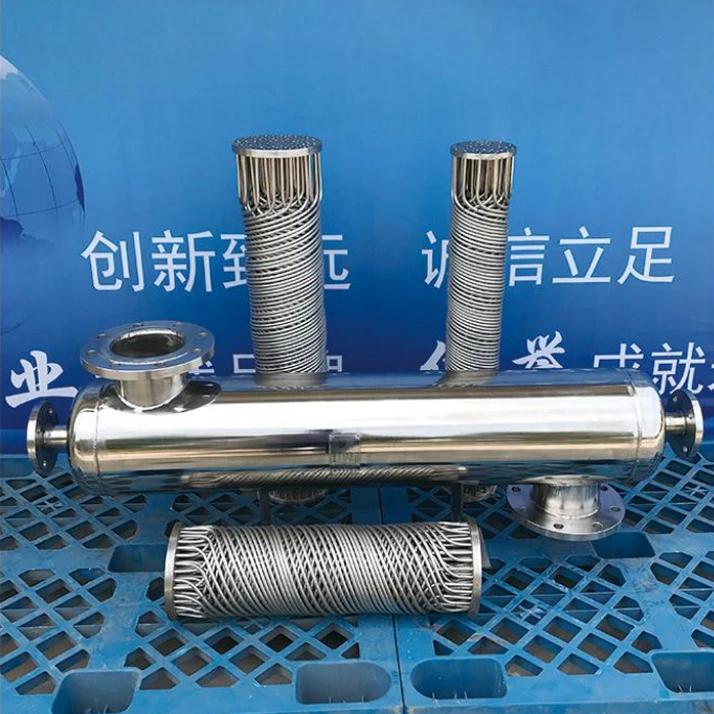
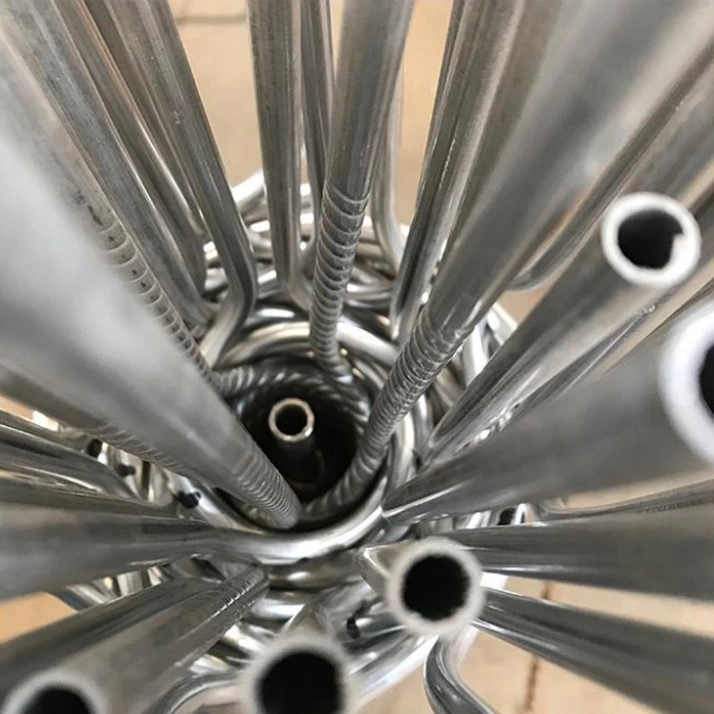
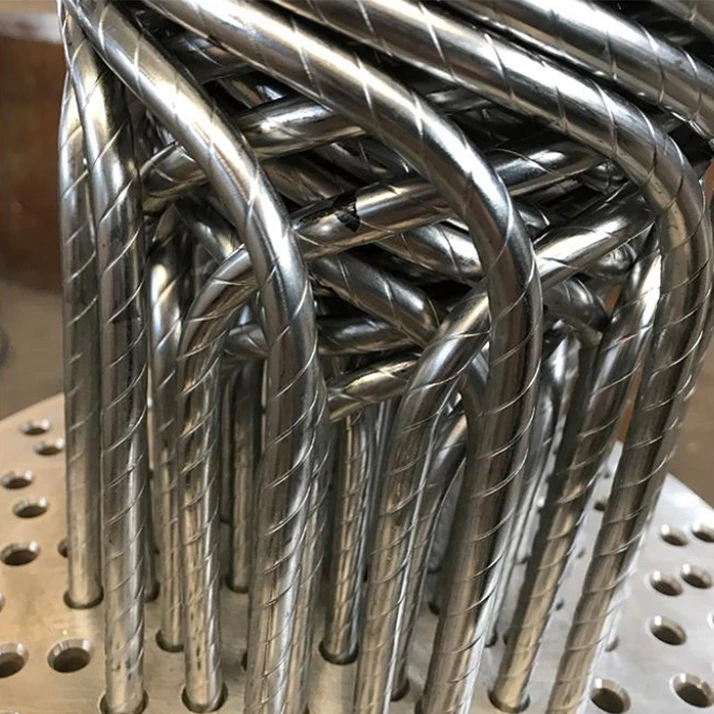
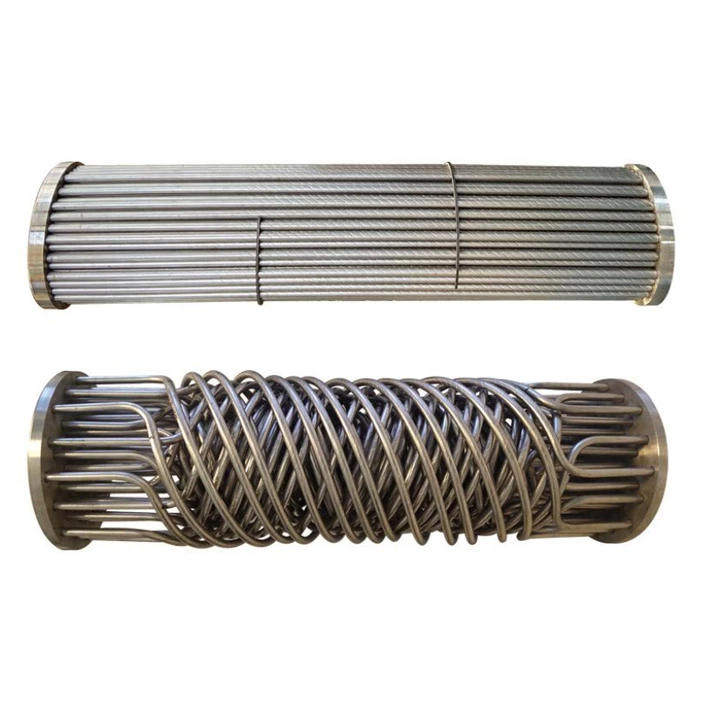
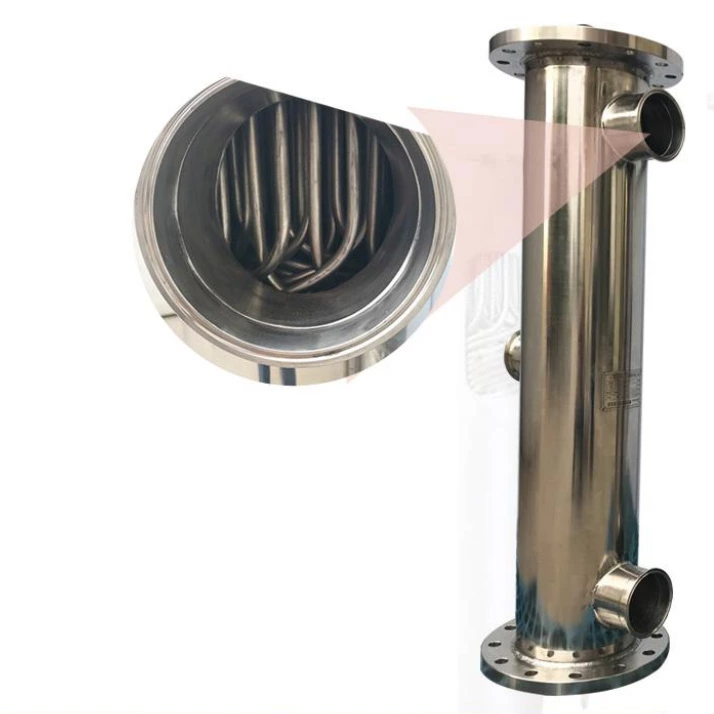
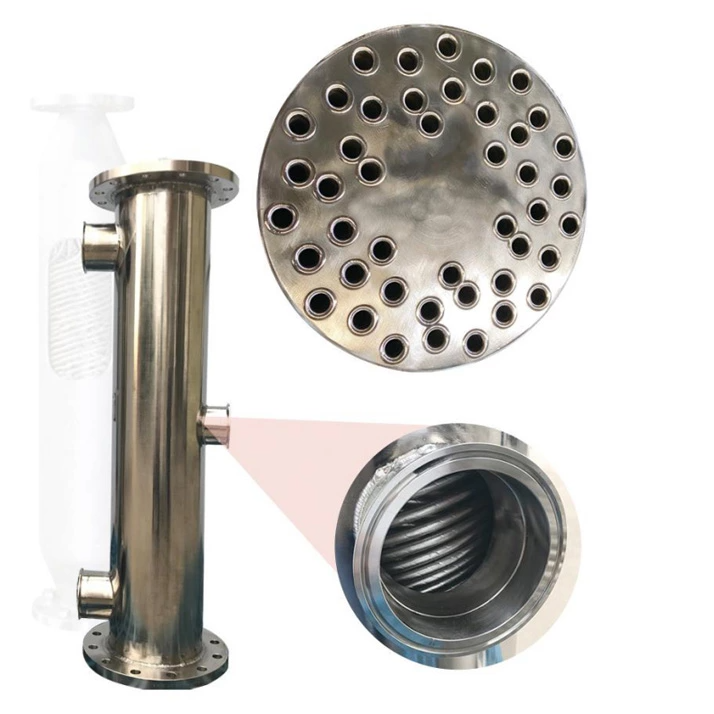
The Spiral Wound Tube Heat Exchanger is one of the most advanced and high-performance heat exchanger technologies used in modern industrial processes. It is designed with a unique spiral-wound tube bundle that significantly improves heat transfer efficiency while maintaining compact size and structural strength.
The Spiral Wound Tube Heat Exchanger is one of the most advanced and high-performance heat exchanger technologies used in modern industrial processes. It is designed with a unique spiral-wound tube bundle that significantly improves heat transfer efficiency while maintaining compact size and structural strength.
Unlike traditional shell and tube heat exchangers, spiral wound designs wrap the heat exchange tubes around the shell in a spiral configuration. This structure increases the effective heat transfer length and creates strong turbulence within the fluid flow, greatly improving thermal performance.
MG-TECH’s spiral wound tube heat exchangers are engineered for high temperature, high pressure, and corrosive environments, providing reliable and efficient heat transfer for demanding industrial applications.
The spiral wound tube structure helps reduce stress caused by thermal expansion and contraction, significantly extending the service life of the heat exchange tubes and tube sheets. Manufactured with high-quality stainless steel materials, the system provides excellent resistance to corrosion, high pressure, and high temperatures.
The spiral arrangement of the tubes ensures that the fluid continuously changes direction as it flows through the exchanger, creating strong turbulence and improving heat transfer performance. The heat transfer capacity can be 3–7 times higher than conventional heat exchangers, and under certain operating conditions, the heat transfer coefficient can reach up to 14,000 W/m²·℃.
The spiral wound design maximizes the heat transfer area per unit volume, making the exchanger extremely compact. Under similar operating conditions, the volume can be only one-fifth of traditional heat exchangers, while the weight may be only one-tenth, reducing installation space and infrastructure requirements.
The system operates at a relatively high design flow velocity, which helps prevent scaling and deposit formation. Using 316L stainless steel tubes with smooth inner surfaces, the exchanger reduces adhesion of minerals and impurities, minimizing fouling and improving long-term performance.
In a spiral wound tube heat exchanger, heat transfer occurs between two fluids flowing through separate passages.
One fluid flows through the spiral-wound tubes, while the second fluid flows through the shell side surrounding the tube bundle. The spiral configuration forces the fluids to continuously change direction, increasing turbulence and improving heat transfer efficiency.
This design also allows for counter-current heat transfer, which ensures maximum temperature difference between the fluids and significantly improves thermal efficiency.
Additionally, the spiral wound elastic tube bundle structure helps absorb vibration and thermal stress, improving reliability and extending the equipment’s service life.
Advanced turbulent flow design improves heat transfer efficiency
Optimized flow dynamics using CFD (Computational Fluid Dynamics) analysis
Structural strength validated through FEM (Finite Element Method) simulations
Asymmetric flow design allows different shell and tube volumes for complex operating conditions
Reduced vibration and operational noise through optimized engineering principles
Spiral wound tube heat exchangers are widely used in many industrial processes, including:
Distillation reflux systems
Concentration and evaporation systems
Distillation processes
Exhaust heat recovery systems
Pharmaceutical and herbal extraction processes
CIP (Cleaning-in-Place) systems
High-temperature instant sterilization systems
Heating and cooling of process materials